


Conservation Manager Chad Machinski, M.S., manages the stewardship of MA’s sanctuaries and engaging with our dedicated volunteers ever since. To help you stay connected with the work being done, he will be presenting regular online updates about activities going on at them: birds seen or heard, conservation work, improvements, interesting plants, and more.
Haehnle Savanna Work
2025 saw the wrapping up of the Michigan DNR’s Wildlife Habitat Grant Program where the Haehnle Sanctuary was the recipient of grant funds distributed by the American Bird Conservancy (ABC) to begin restoring approximately 14 acres to Oak Savanna. Let’s take a very quick look at what was accomplished.
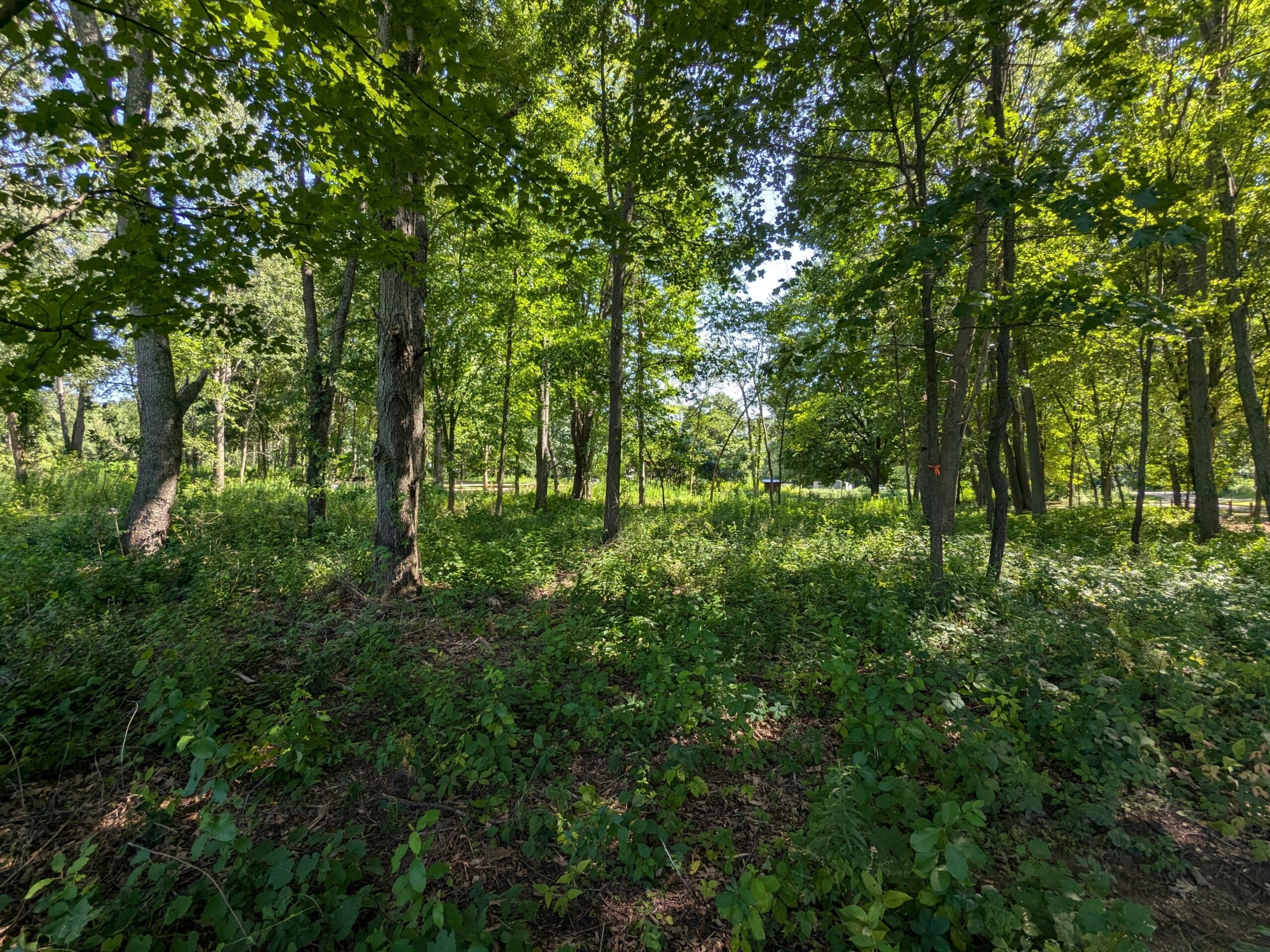
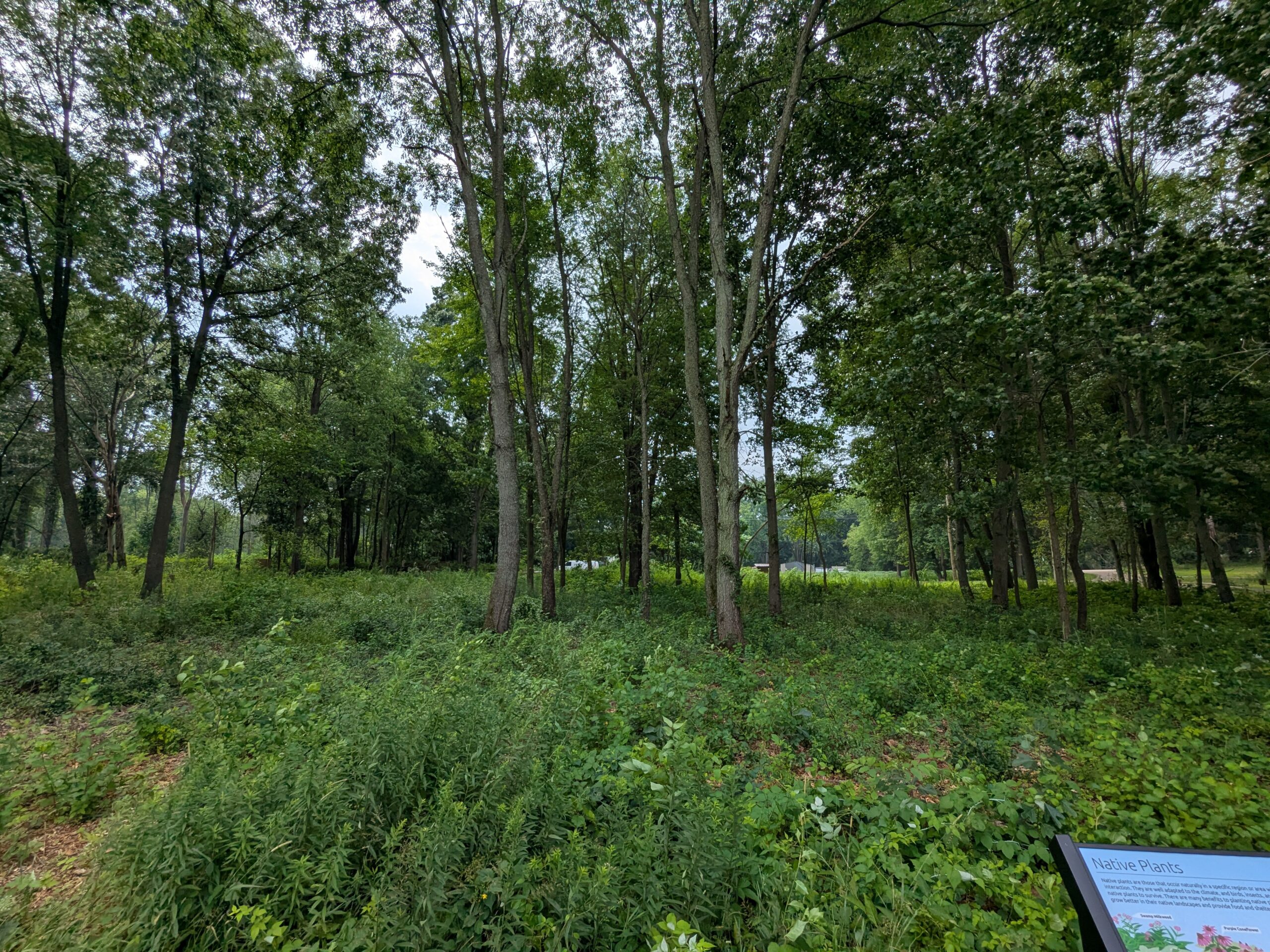
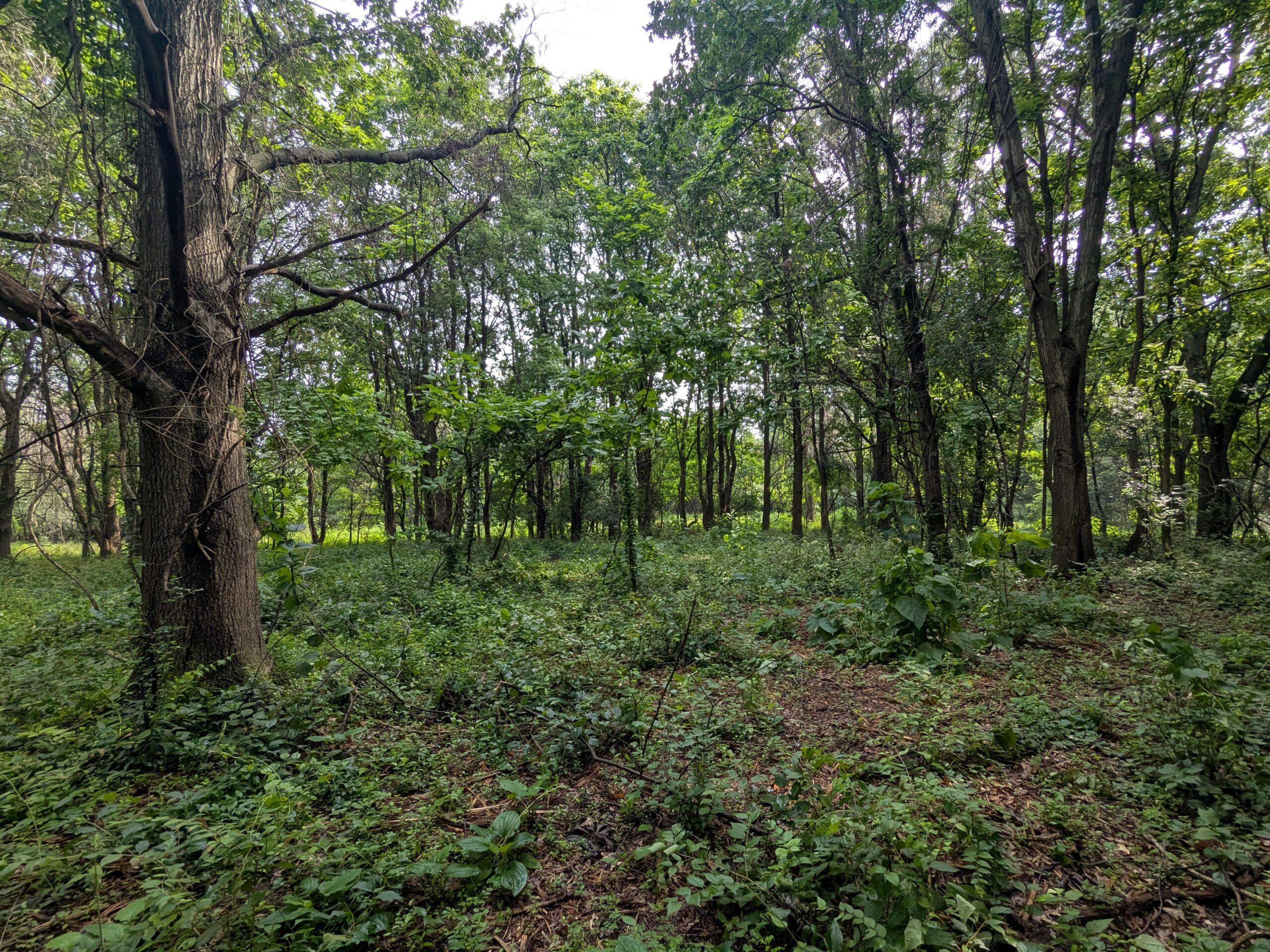
The 14 acres included in this project are predominately near the main entrance to the Haehnle Sanctuary, near Seymour Rd. Many of these areas had been pretty dense with the standard fare of invasive shrubs, trees, and vines: Amur Honeysuckle, Autumn Olive, Glossy Buckthorn, Black Locust, and Asian Bittersweet. But there were a great deal of native trees and shrubs in excess as well such as Black Walnut, Black Cherry, Cottonwood, along with Blackberries and Raspberries. Over the two years that this project was active, funds were primarily spent on a contractor to brush hog/masticate much of the standing woody shrubs and small diameter trees. While this doesn’t outright eliminate the issue, it can make it more manageable and make the site more accessible.
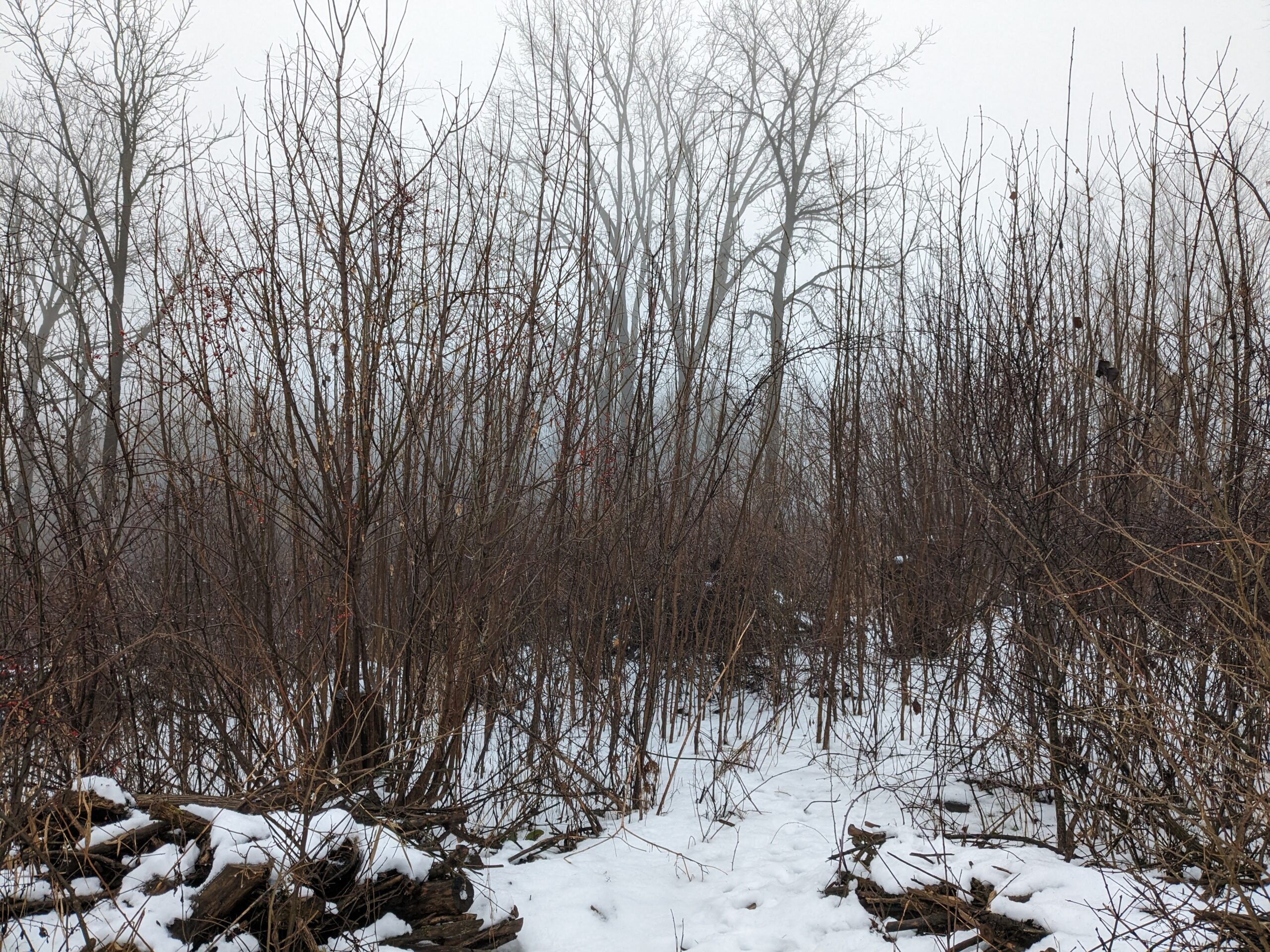
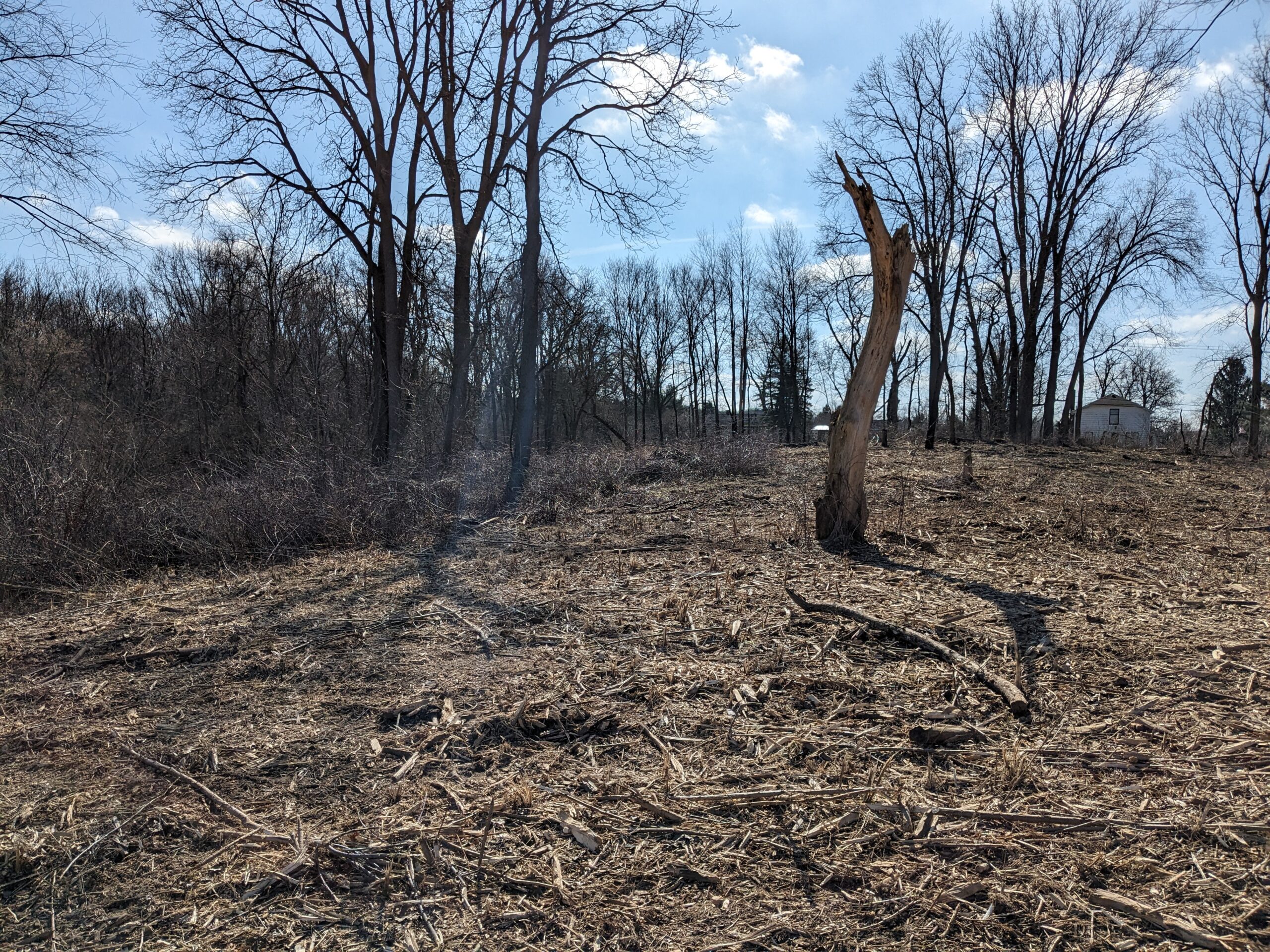
Following brush hogging that was primarily done in the dormant months, herbicide applications were needed to control resprouting shrubs. In addition to this, many hours were spent hand pulling invasive herbaceous plants such as Garlic Mustard, Dame’s Rocket, and Hedge Parsley. Mowing down the areas of shrubs made it easier to access these plants and also made us aware of a possible issue of Black-Swallowwort, a twining herbaceous plant related to milkweed that can be very problematic. Fortunately, the areas of Black-Swallowwort were small and were quickly treated with herbicide.
While brush hogging knocked back most of the woody invasive, there are always going to be shrubs that can’t be accessed, usually due to the presence of trees we intended to keep. So myself and volunteers spent many workdays continuing to do the more detailed work that heavy machinery cannot always do.
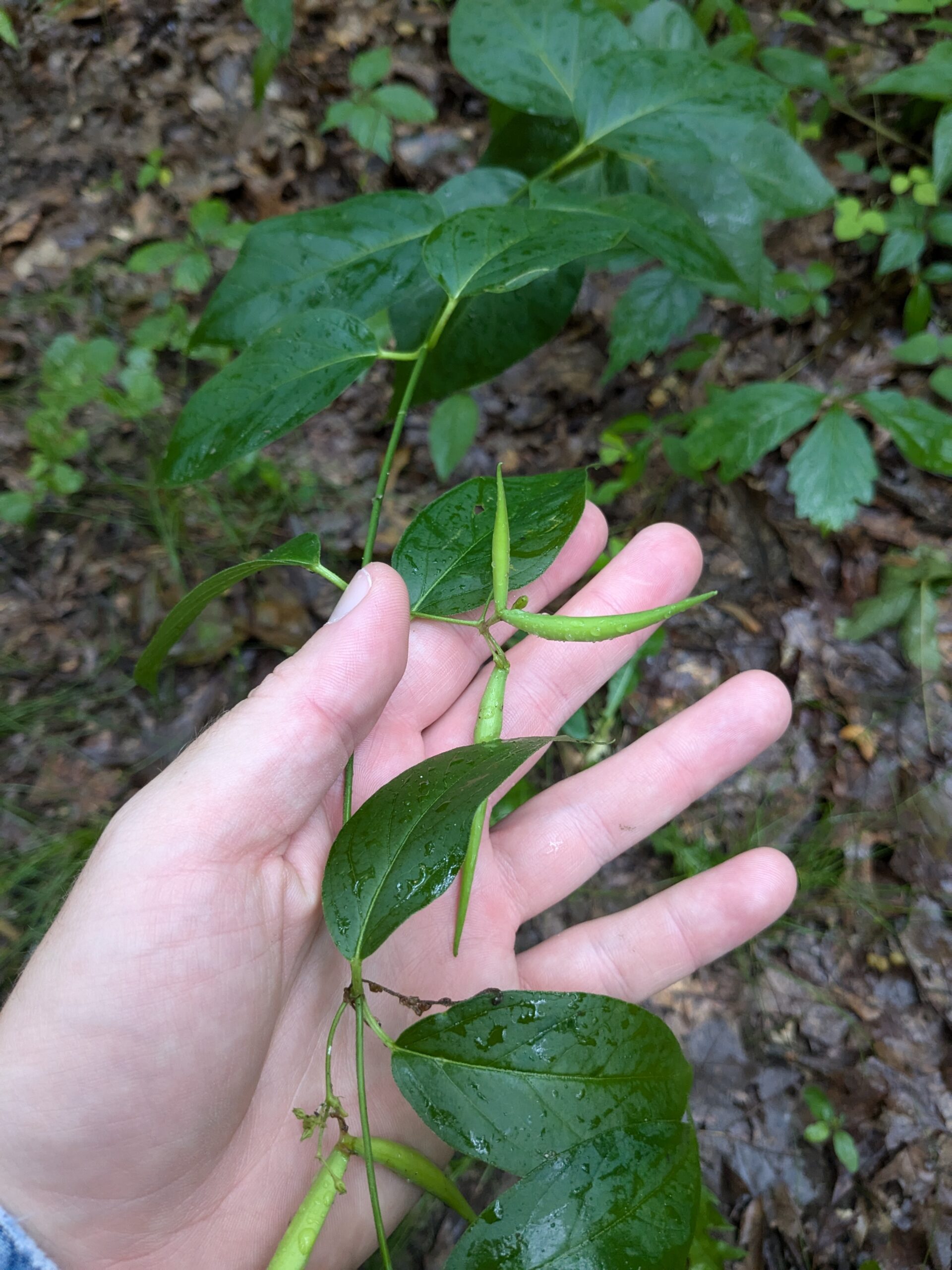
Black Swallowwort. Photo by Chad Machinski
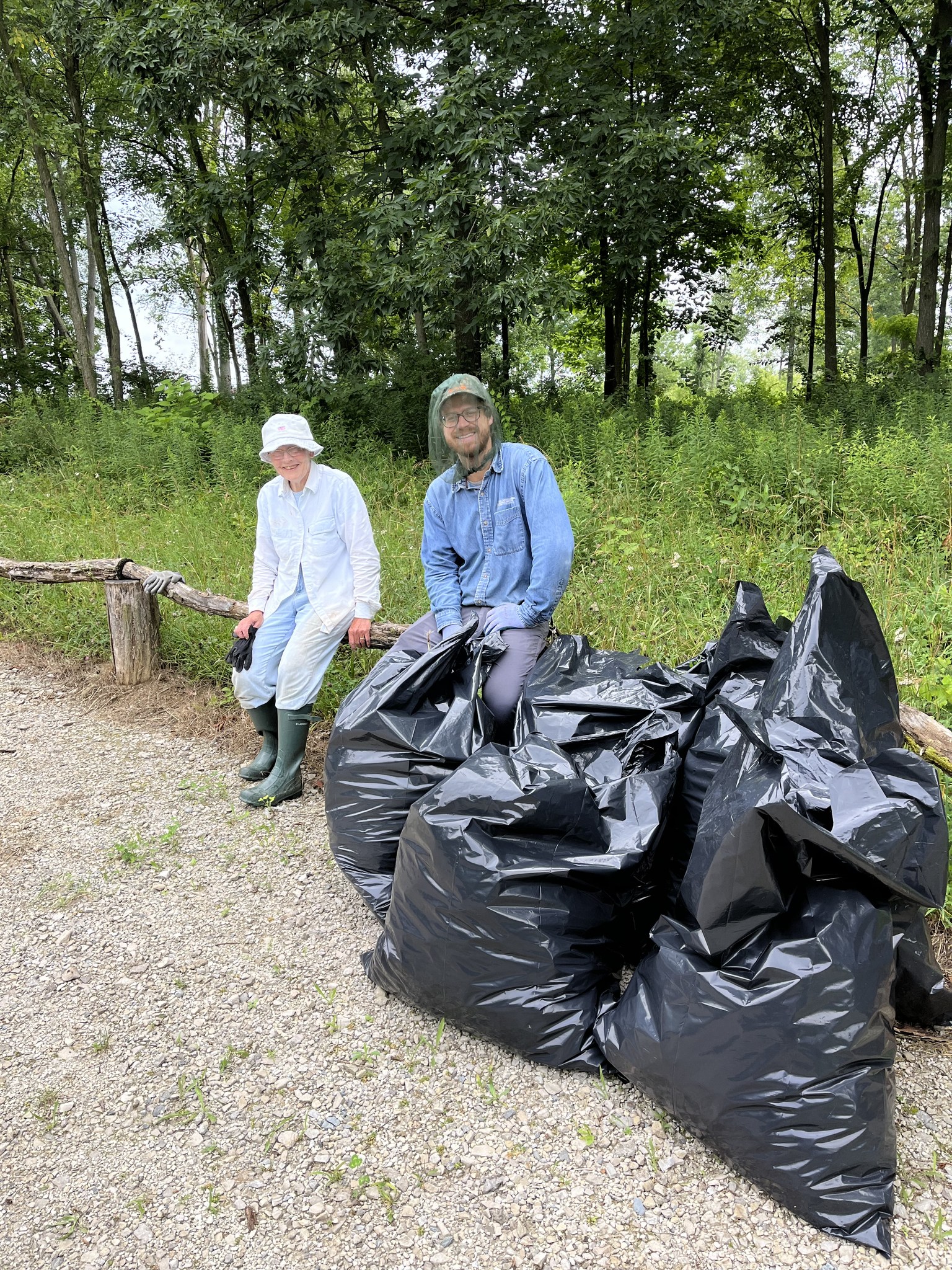
Myself and volunteer Charity with bags of Hedge Parsley. Photo by Steve Jerant.
As mentioned, there were often native trees in this space in excess for what is desired in an Oak Savanna. First, we had several large diameter Black Walnut trees. These trees were harvested for timber in December 2024. Besides that, there were many Black Cherry trees that needed to be thinned out of the area. Myself and Haehnle Committee Chair, Steve Jerant, spent a few workdays cutting down small diameter Black Cherries to open the area up. When possible, we also created standing dead trees using the hack & squirt method of herbicide application that will kill a tree, but leave it standing. Dead trees are a critical part of every woodland or savanna habitat.
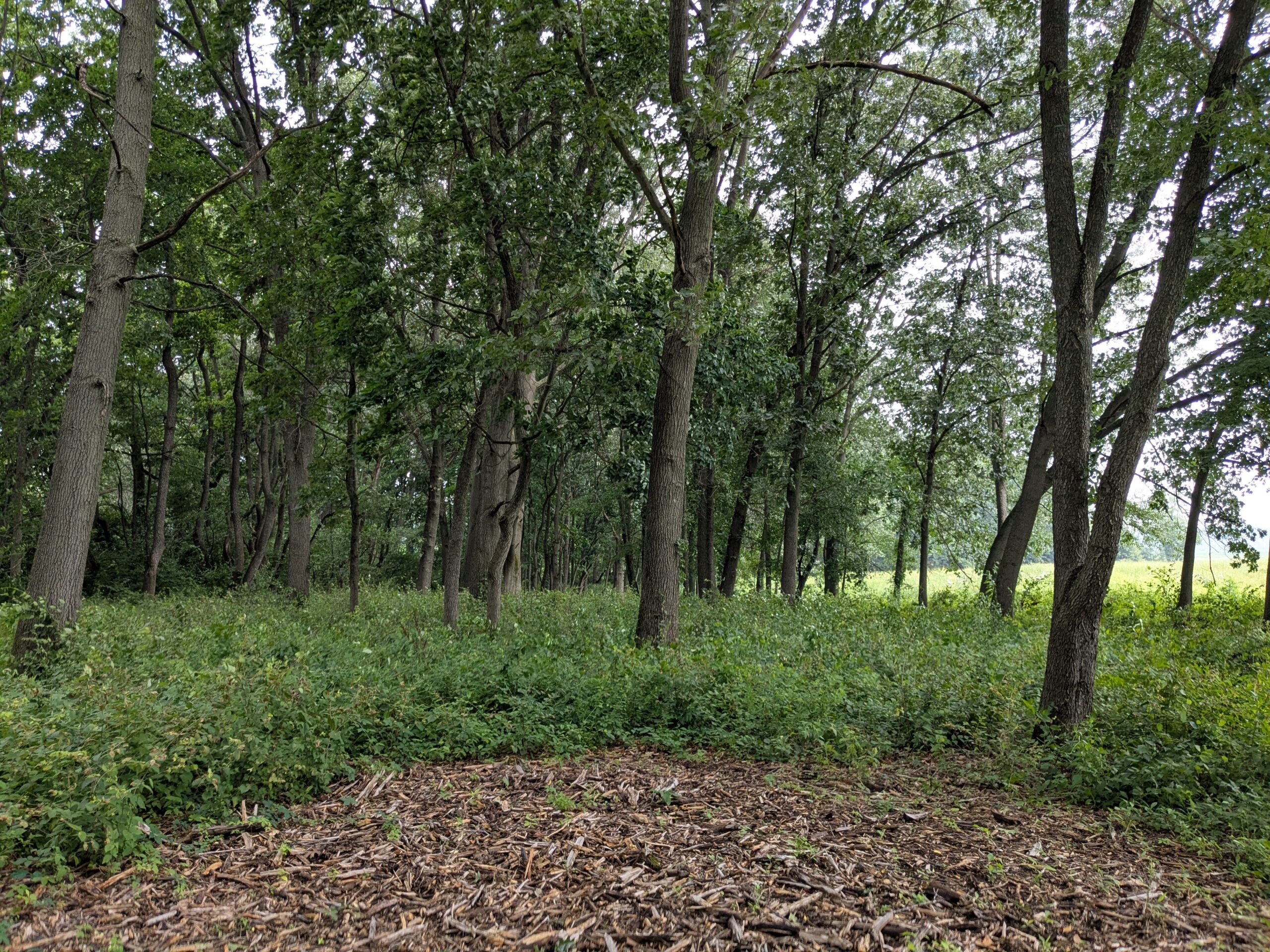
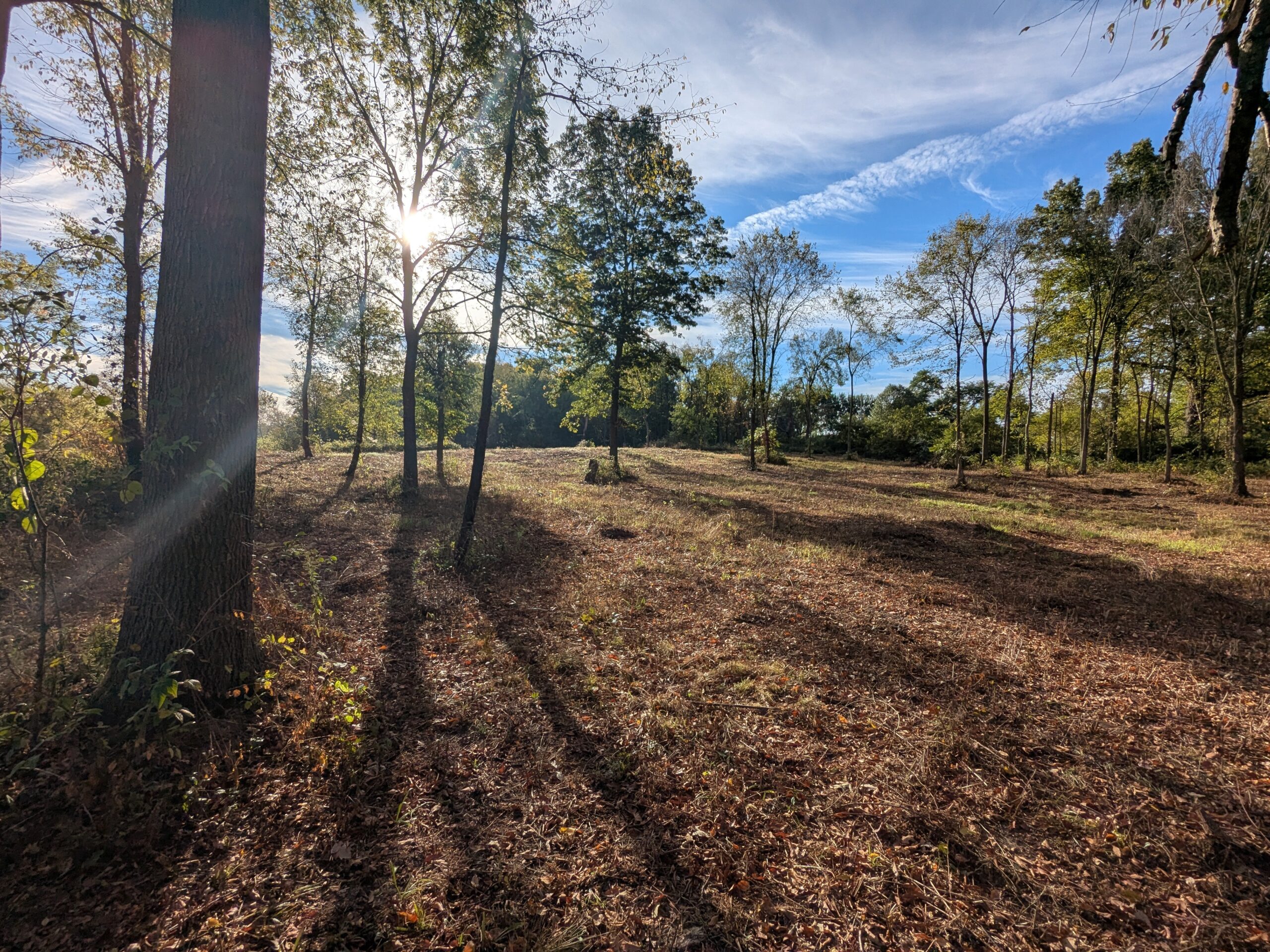
Area which had been brush hogged once and again after photo. Tree spacing is getting there! Photo by Chad Machinski
While not technically part of the original project area, we were also able to expand this “new Savanna” area by closing off part of the parking lot by using existing split rail fencing. The idea to close this off was brought up by the Haehnle Habitat Subcommittee. Steve Jerant managed the project and completed it with several volunteers. The parking lot was also disced to break up the compaction caused by decades of vehicles. This added approximately an acre to the footprint of the savanna.
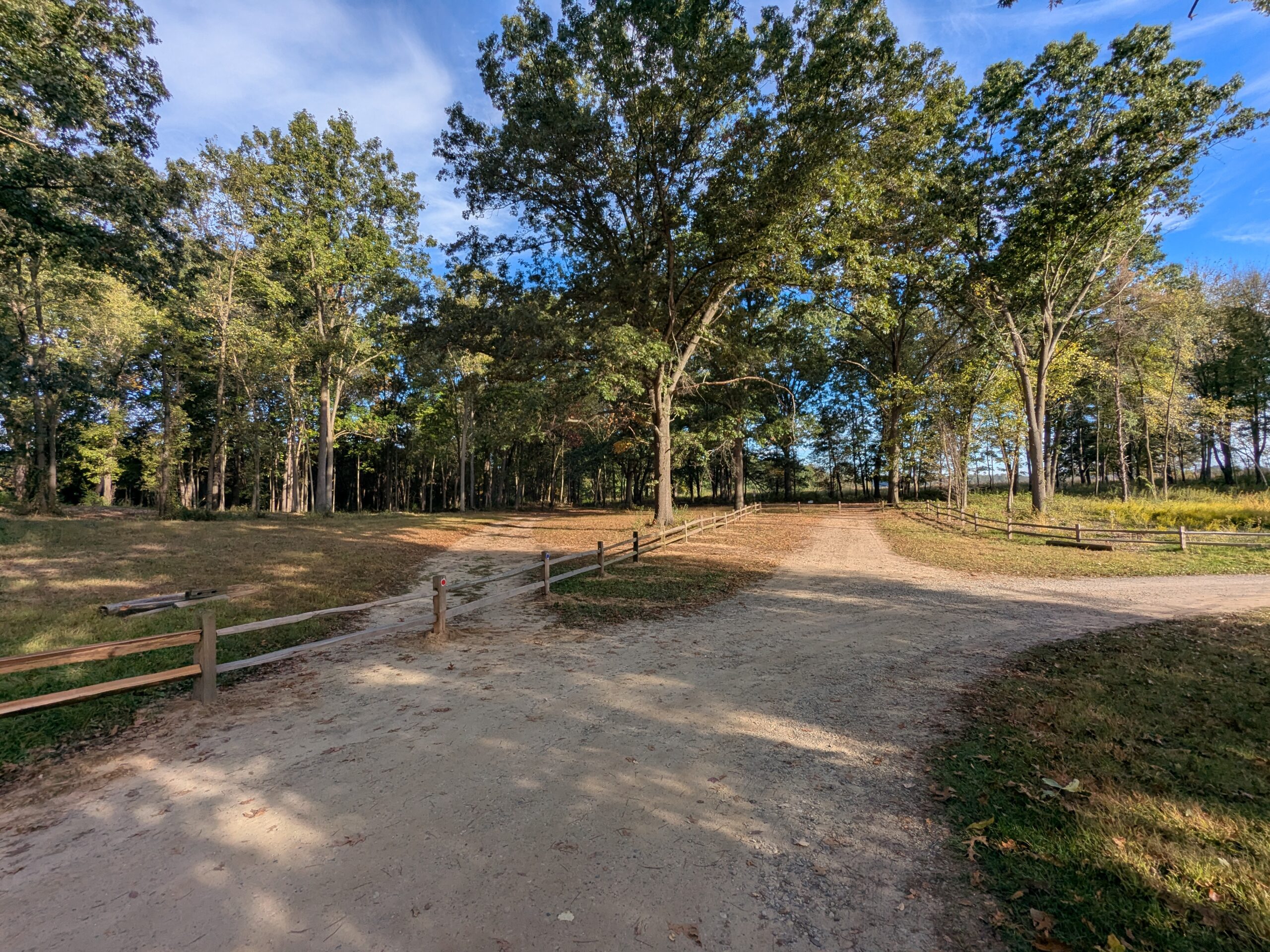
The west parking lot after it was reduced in size. The area is framed by a few nice Oaks. Photo by Chad Machinski
In addition to the funds that started this project, we also received a grant from Consumers Energy that allowed us to fund more brush hogging and allowed us to purchase several bags of native seed mix. Some of this native seed mix will be winter sowed this week specifically in the old parking lot.
When this grant was applied for in 2022, the hope was that we’d be able to have a prescribed burn through it. Although it didn’t happen during the timeframe of the grant, we will be burning about half of the area in spring of 2026. After this burn, we will then sow the remaining seed that we have.
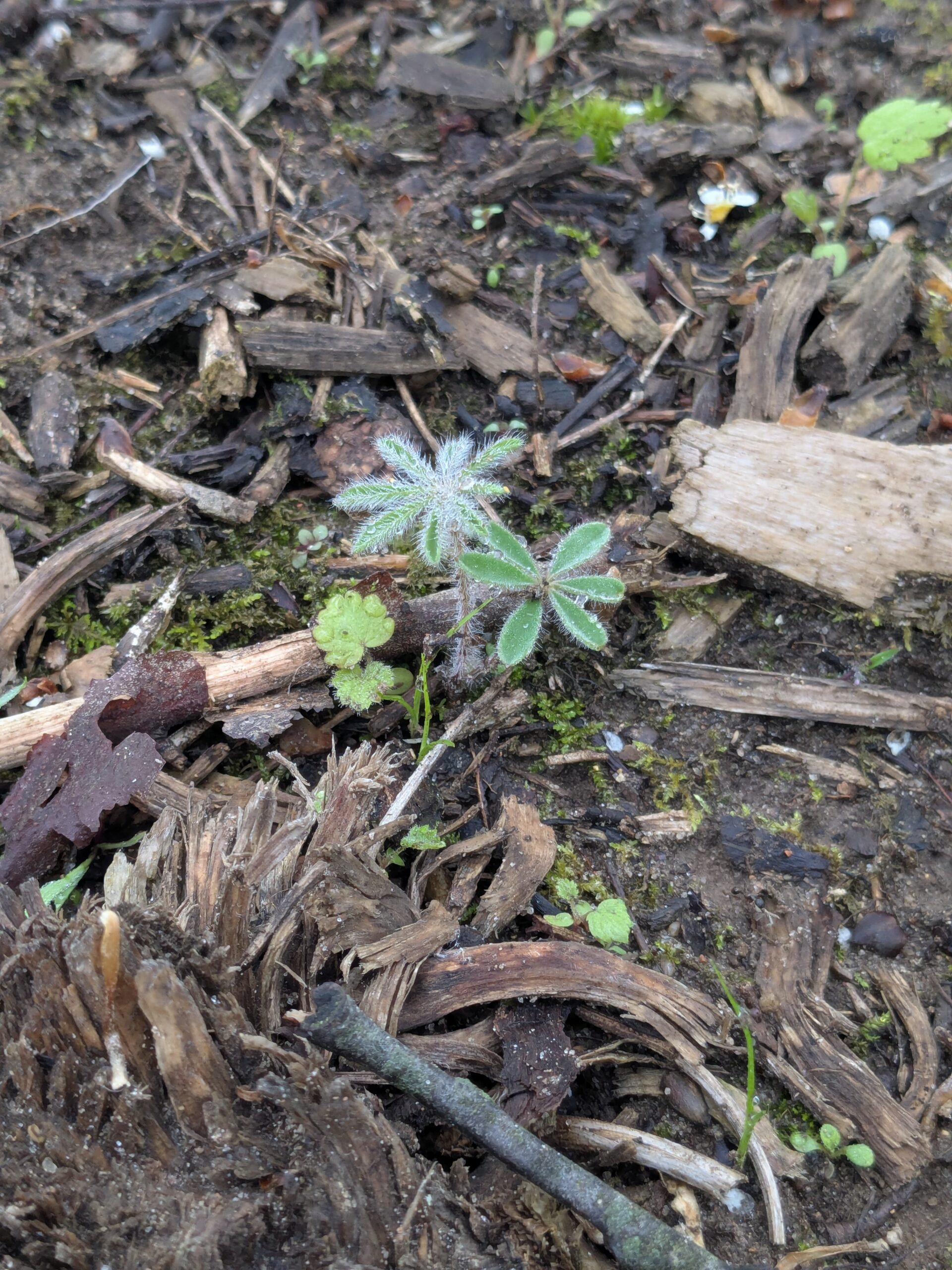
Anyone who has done this work before knows that the ending of a grant does not mean the ending of the work. I am extremely happy with the amount of work that has been accomplished during the period, however, without continued maintenance this area that myself, volunteers, and contractors have spent time and grant money on will revert back to a dense mess of invasive species. We will continue to be working in these areas for years to come before we can get it to the point of what we intend it to be. But we are very much on our way; this Spring the first Lupines that were sown last winter pushed up their first leaves and a Cerulean Warbler was heard singing from the edge of a large Hickory, the first ebird record for the Sanctuary.
I want to thank the Michigan DNR for the funds, ABC for distributing the funds to us, the contractors hired who have worked in these spaces, and most of all, the volunteers who came out in the cold, the wet, the heat, the mosquito clouds, etc. We would not be where we are at Haehnle without you.
To learn more about Michigan Audubon sanctuaries, visit michiganaudubon.org/conservation/bird-sanctuaries. If you want to volunteer at a Michigan Audubon sanctuary, please complete the Sanctuary Volunteer Interest Form.
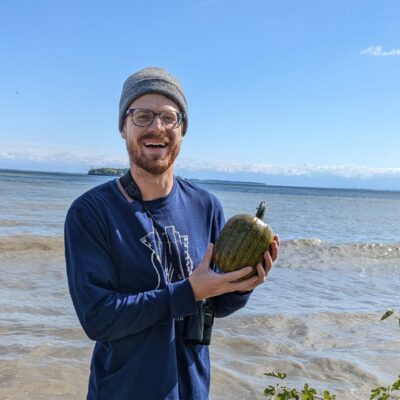
Chad Machinski, MS
Conservation Manager
While Chad’s first love is botany, he doesn’t deny the intertwining nature of birds, plants, insects, and all other organisms we share the world with. His passion for the natural world began in his undergraduate time at the University of Michigan, taking several different forms along the way. His graduate studies at the University of Michigan allowed him to more closely examine the natural communities of Michigan and further understand the complex nature of ecosystems. His work as a Nichols Arboretum Caretaker while in school further enabled him to be directly involved in conservation work as he led workdays removing invasive plant species, performed trail maintenance, and guided tours. Chad can usually be found out in a park in a few ways: binoculars glued to his face, hunched over looking at plants, or flipping logs looking for snakes and salamanders.