


Why Michigan is Important for Migration
Migration is the seasonal movement of birds between breeding and wintering grounds, driven primarily by changes in food availability and nesting resources. Each spring and fall, millions of birds travel thousands of miles to take advantage of the best conditions for survival and raising young.
Michigan is one of North America’s most important migration hubs because of its unique position within the Great Lakes. Its diverse landscapes—including wetlands, forests, and more than 32,000 islands—provide essential places to rest and refuel during these long journeys. Locations like Whitefish Point are key migration corridors because birds are naturally funneled along the coastline of Michigan’s peninsulas before crossing the Great Lakes.
Because so many birds rely on Michigan during both spring (March 1 – June 15) and fall (August 1 – November 30) migration, the actions we take across the state can make a meaningful impact on their survival.

Lights Out at Night
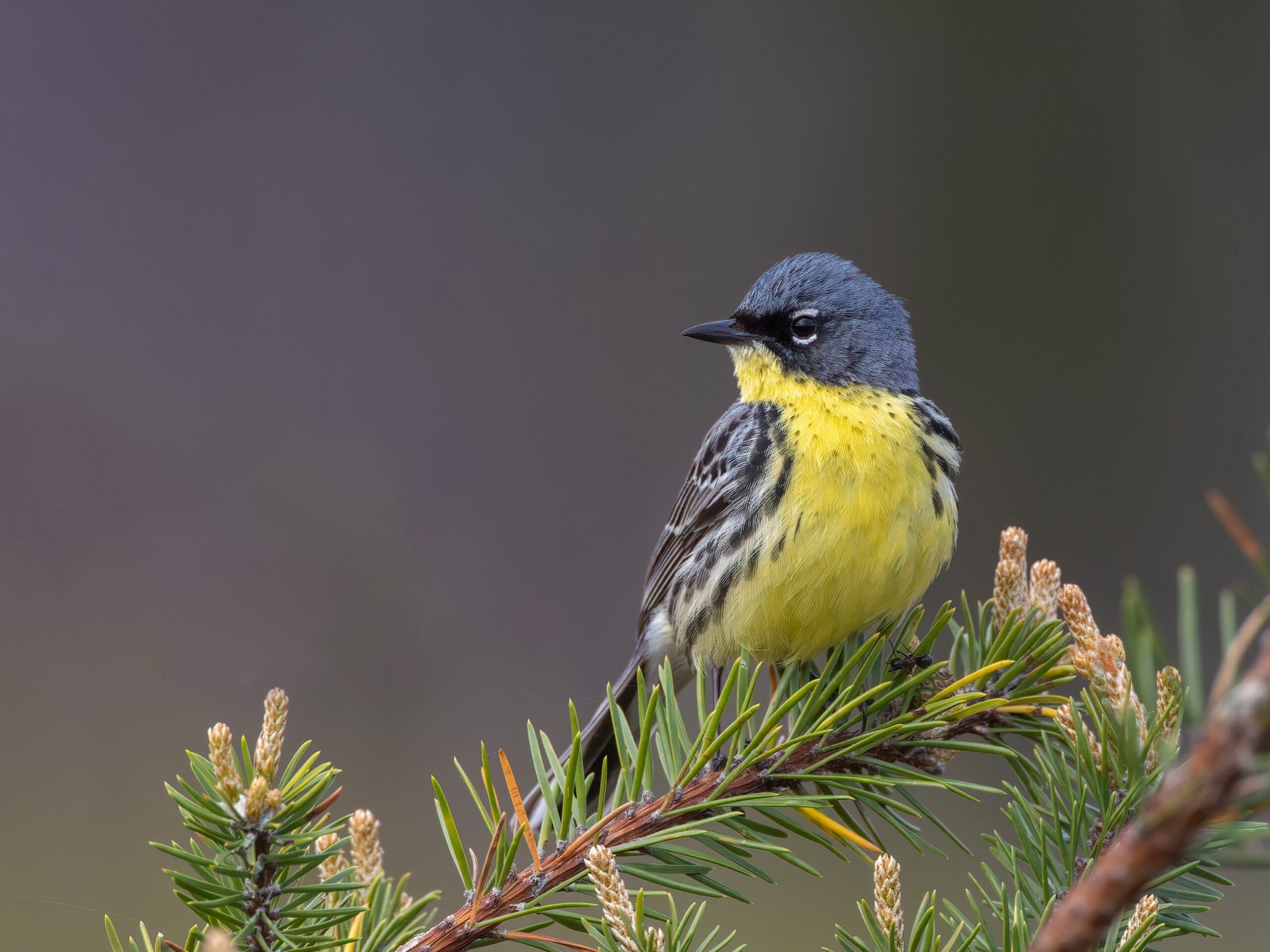
Kirtland’s Warbler | David Slikkers
Many migratory birds travel at night, including neotropical species like the threatened Kirtland’s Warbler. Artificial lights from buildings, lighthouses, and other structures can disorient these birds, drawing them off course and increasing the risk of collisions. Even when collisions are avoided, birds may become trapped in bright beams, exhausting themselves and becoming more vulnerable to predators.
Reducing light pollution during migration can save countless birds. You can make a difference by turning off exterior lights, dimming interior lighting, and closing shades. Simple changes like these provide safe passage for birds and reduce collisions during their critical journeys.

Prevent Window Collisions
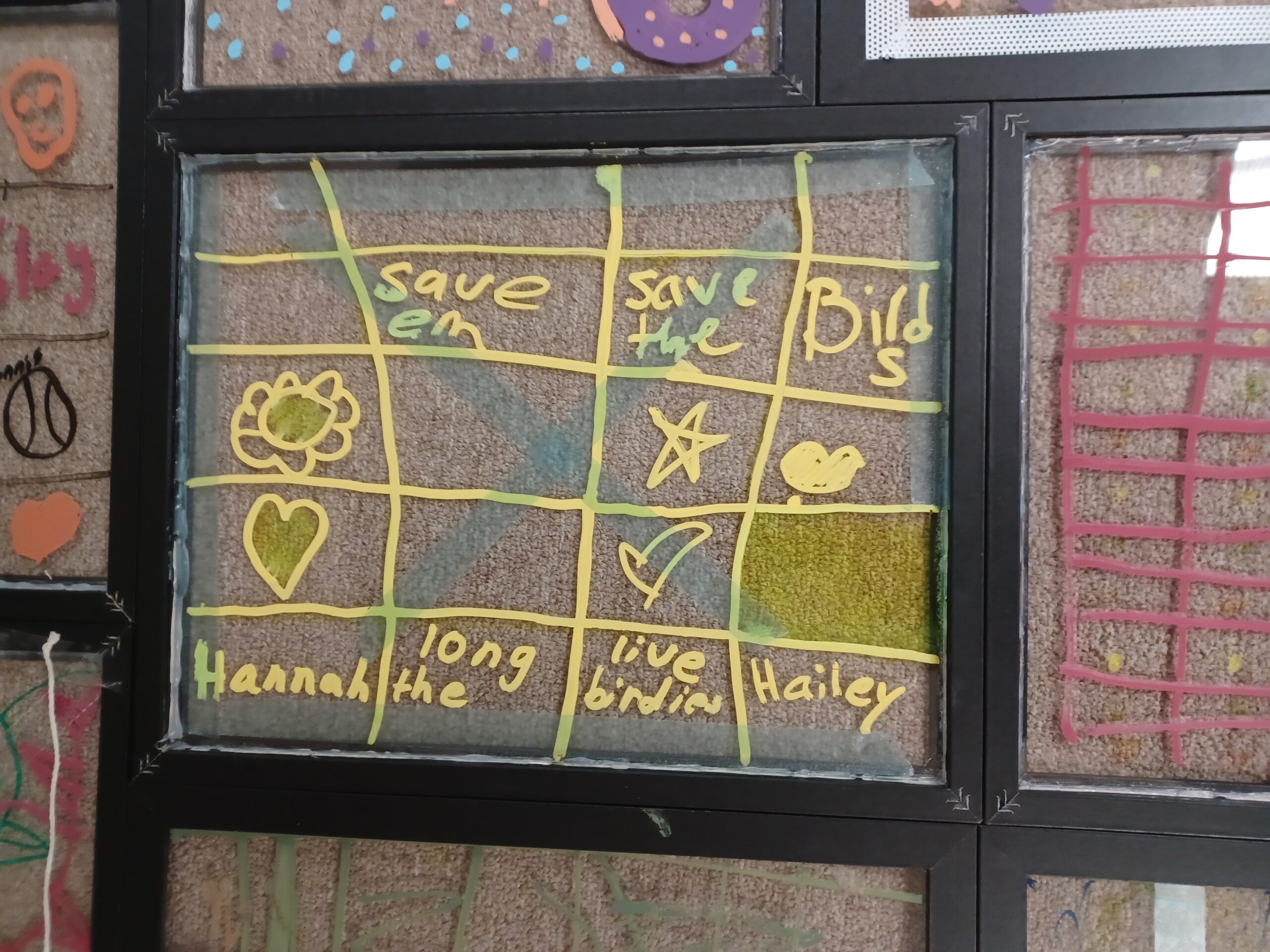
Window pane design from our Bird by Bird program | Lindsay Cain
Building collisions are one of the leading threats to birds in the United States, with an estimated 365 to 988 million birds killed annually. The risks increase during migration, when large numbers pass through urban areas. Birds cannot see glass and often mistake reflections of sky, trees, or indoor plants for safe flight paths.
You can help prevent collisions by making windows more visible. Apply dense patterns of stickers, tape, or even designs two inches apart to the outside of glass, move indoor plants away from windows, and place feeders either very close (less than 3 feet) or farther away (more than 30 feet). If a bird hits a window, it may be dazed and vulnerable to predators. If possible, gently place the bird in a breathable paper bag or small box with a lid or towel over the top and contact a rehabilitation facility. Keep human contact to a minimum and place the container outside in a safe, quiet area away from noise, people, and pets. Avoid giving food or water. You can find a list of local wild bird rehabilitators here.

Plant Native Species
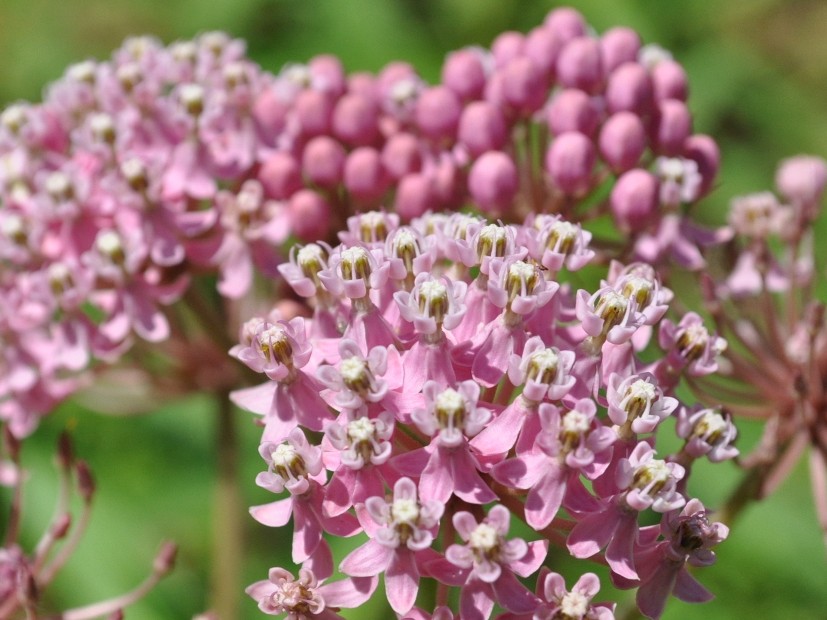
Swamp Milkweed
Habitat loss and fragmentation have left fewer safe places for migratory birds to rest and refuel. This creates added pressure on the remaining landscapes, many of which are manicured lawns with non-native plants that provide little food or shelter. Without access to suitable habitat and abundant insects—the main food source for 96% of North America’s landbirds—birds struggle to survive their long migrations and to successfully raise their young once they reach breeding grounds.
You can help by planting native species in your yard or local green spaces. Providing a variety of layers, from groundcover to canopy trees, offers food and nesting opportunities for different bird species. Choose plants that provide resources throughout the seasons, supporting birds during migration, breeding, and winter. Even small changes, like creating an unmowed corner or adding a native hedgerow, can transform your yard into a critical stopover for migratory birds. Learn more about which plants to use with our Native Plant List and find ideas for designing bird-friendly landscapes with our Landscape Design Guide.

Keep Cats Indoors
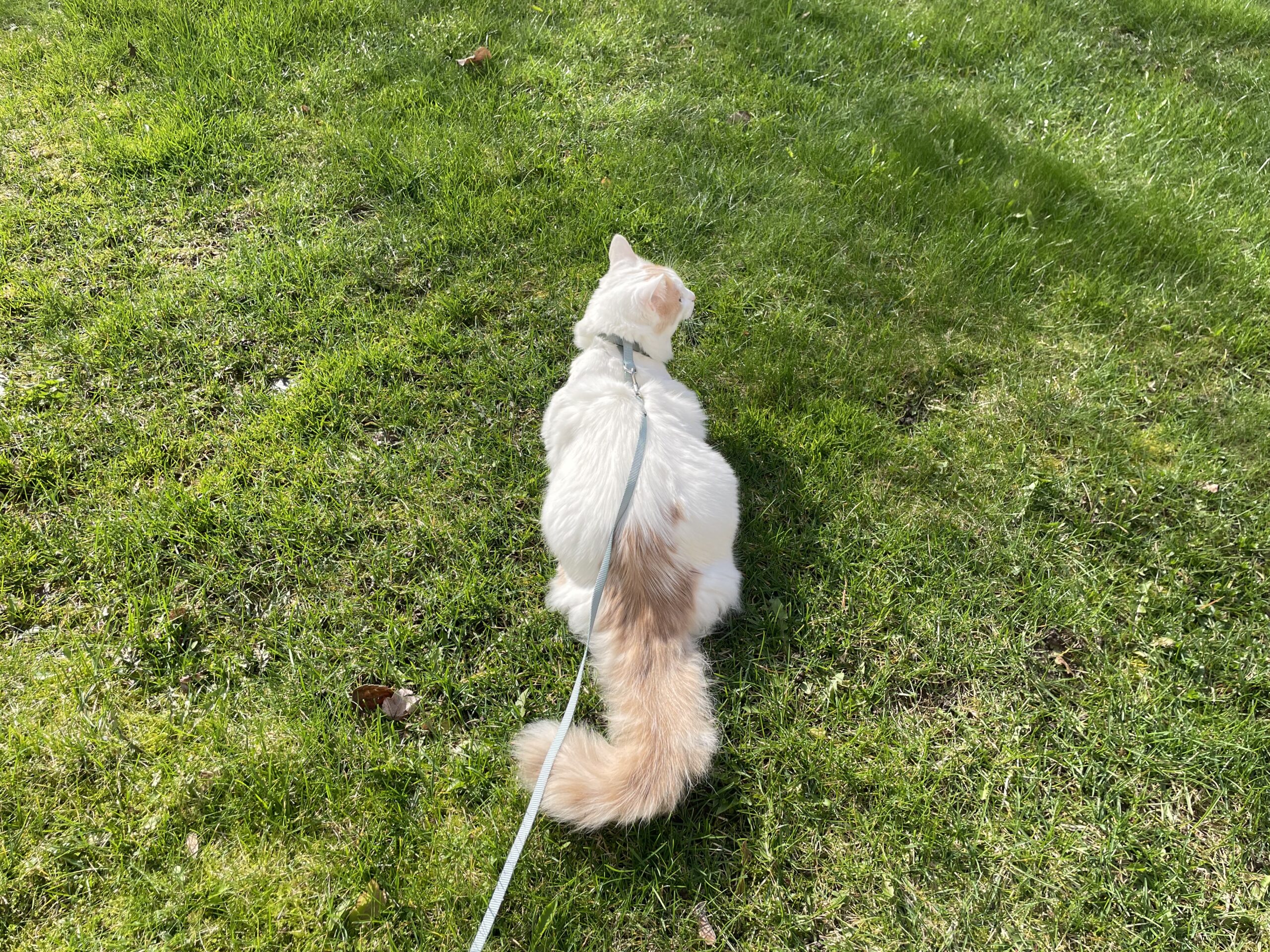
Obi in a harness enjoying the outdoors | Galena Wortman
Free-ranging domestic cats are a major threat to birds with an estimated 1.3-4.0 billion birds killed annually in North America. Even well-fed cats continue to hunt due to their natural instincts. The presence of cats can also reduce nesting success, as adult birds may limit feeding of their young when predators are nearby. Keeping cats indoors can play a meaningful role in protecting migrating and local bird populations.
You can help by keeping cats indoors or providing safe outdoor alternatives. Harness training, enclosed catios, and indoor environments with toys, climbing structures, and perches allow cats to express their natural behaviors without endangering wildlife. These changes can reduce predation on birds and also protect cats from injury, disease, and other outdoor hazards—creating a healthier, safer environment for both your cat and the native animals in your neighborhood.

Clean Feeders
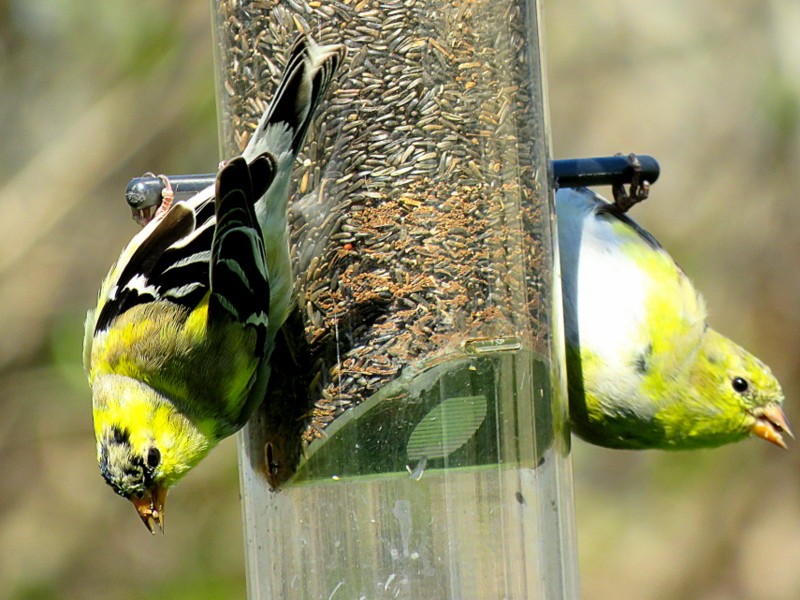
American Goldfinches | Lou Bartkiw
Feeders are a valuable way to support and enjoy birds, but they can also become hotspots for disease if not properly maintained. Pathogens like avian pox, House Finch eye disease, salmonellosis, and avian flu can spread quickly among birds that congregate at feeders. Sick or weakened birds can further transmit disease, putting local bird populations at risk.
You can help keep your birds healthy by cleaning feeders regularly. Remove old food, scrub all surfaces with soapy water, rinse thoroughly, and allow feeders to dry completely before refilling with fresh food. For a deeper clean, a brief soak in a mild bleach solution (one part bleach to nine parts water) can disinfect feeders—be sure to rinse thoroughly afterward. If you observe sick birds at your feeder, take them down for two weeks, thoroughly clean, and report to the Michigan DNR Eyes in the Field Form. These simple steps help protect birds and make your feeders safe places for them to stop and refuel.
Every action counts when it comes to protecting migratory and local birds. Reducing nighttime lighting, preventing window collisions, planting native species, keeping cats indoors, and maintaining clean feeders all help birds survive and thrive. Together, we can make migration safer and support healthy bird populations for generations to come.